
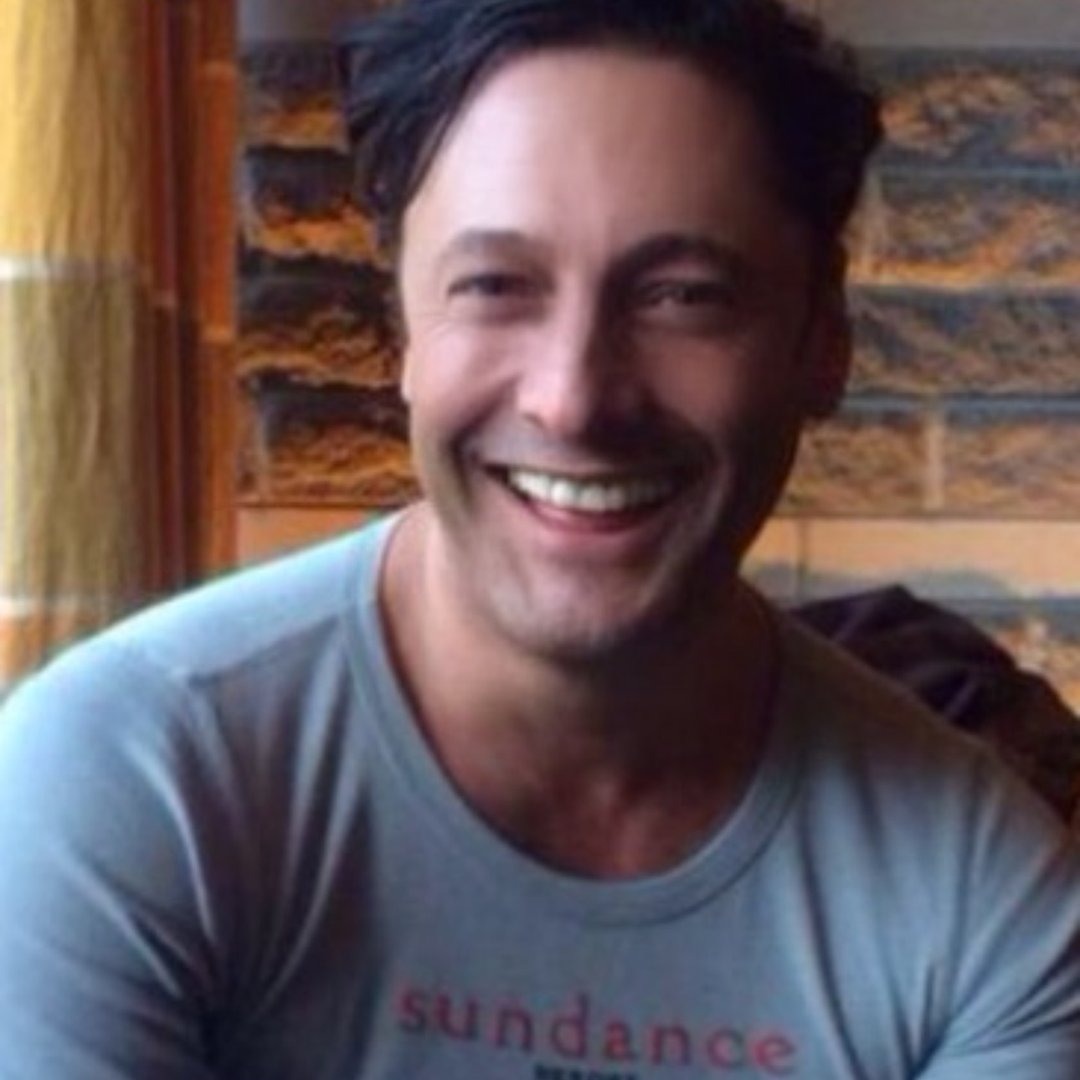
Ένας Βρετανός τραπεζίτης, ο οποίος αποκάλυψε μια φερόμενη συμφωνία εκατομμυρίων δολαρίων στην οποία εμπλεκόταν ο Andrew Mountbatten-Windsor, βρέθηκε νεκρός στην Ταϊλάνδη, λίγες μόλις εβδομάδες αφού δεσμεύτηκε ότι θα έφερνε στο φως ακόμη περισσότερα αποκαλυπτικά στοιχεία.
Ο Simon Andriesz, 57 χρόνων, φέρεται να βρέθηκε απαγχονισμένος στις 23 Σεπτεμβρίου, σε περιστατικό που χαρακτηρίστηκε ως πιθανή αυτοκτονία, σύμφωνα με το Radar Online.
Ο θάνατός του σημειώθηκε λίγες μόλις εβδομάδες αφότου μίλησε δημόσια για τις «καταστροφικές» συνέπειες που είχε για τον ίδιο η απόφασή του να μιλήσει και άφησε να εννοηθεί ότι ετοιμαζόταν να αποκαλύψει περισσότερα στοιχεία σχετικά με μια φερόμενη οικονομική συμφωνία στην οποία εμπλεκόταν ο έκπτωτος πρώην πρίγκιπας.
Ο Andriesz είχε προηγουμένως κατηγορήσει τον πρώην δούκα του Γιορκ ότι βρισκόταν στο επίκεντρο μιας προτεινόμενης συμφωνίας ύψους 1 εκατομμυρίου λιρών, η οποία αποσκοπούσε στην εξασφάλιση πολύτιμων γνωριμιών και διασυνδέσεων που είχε αποκτήσει κατά τη δεκαετή θητεία του ως ειδικού εμπορικού απεσταλμένου της Βρετανίας.
Ο Mountbatten-Windsor κατείχε αυτήν την εξέχουσα θέση από το 2001 έως το 2011, διάστημα κατά το οποίο ταξίδεψε εκτενώς και ανέπτυξε σχέσεις με εύπορους επιχειρηματίες και ξένες κυβερνήσεις.
Στις 14 Ιουλίου, ο Andriesz μίλησε στον δημοσιογράφο του BBC Andy Verity για το ντοκιμαντέρ της εκπομπής File on 4 Investigates, με τίτλο Epstein Files: Lutnick, the Royals and the British Whistleblower. Στο πλαίσιο της έρευνας, ο πρώην τραπεζίτης προχώρησε στον εντυπωσιακό ισχυρισμό ότι το προτεινόμενο δάνειο είχε ουσιαστικά σχεδιαστεί με σκοπό την αγορά πρόσβασης στο ισχυρό δίκτυο γνωριμιών του πρώην δούκα του Γιορκ.
«Αυτό που περιλάμβανε ήταν ένα δάνειο ύψους 1 εκατομμυρίου λιρών προς τον Andrew Mountbatten-Windsor… με σκοπό, ουσιαστικά, να αγοράσουν έναν πρίγκιπα».
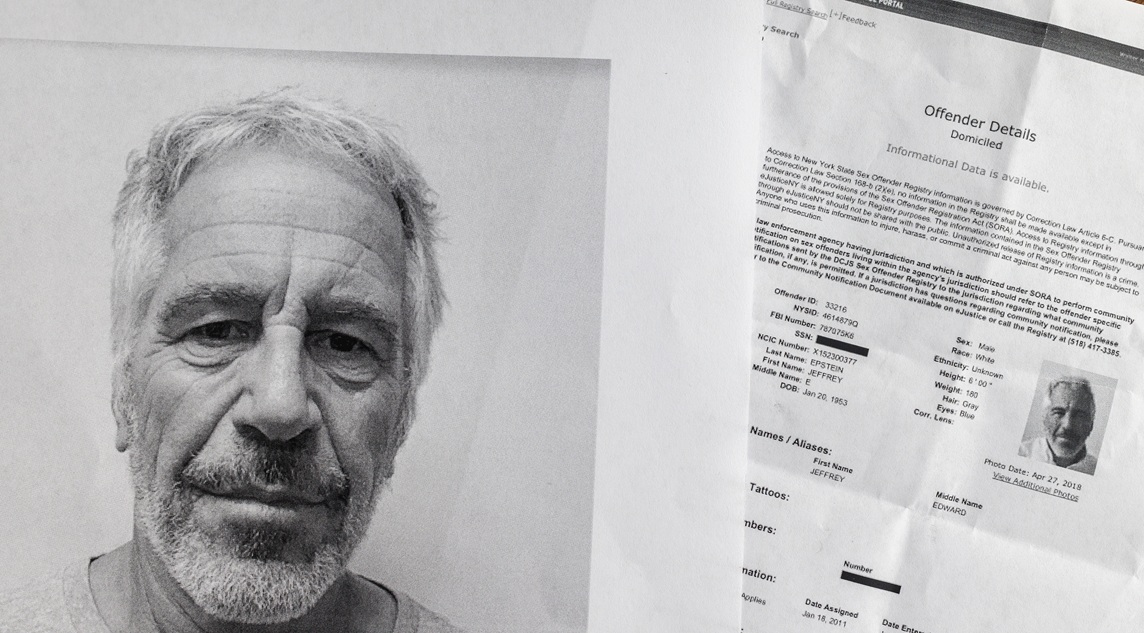
Ο Andriesz ισχυρίστηκε επίσης ότι είχε εντοπίσει στοιχεία που υποδήλωναν πως ο υπουργός Εμπορίου των ΗΠΑ, Howard Lutnick, είχε παραλείψει να αποκαλύψει επιχειρηματικές συναλλαγές που συνδέονταν με τον καταδικασμένο για σεξουαλικά εγκλήματα Jeffrey Epstein.
Ο πληροφοριοδότης είχε προηγουμένως εργαστεί ως διευθύνων σύμβουλος (managing director) στον χρηματοοικονομικό όμιλο BGC Group, όπου ο Lutnick κατείχε τη θέση του διευθύνοντος συμβούλου. Ισχυρίστηκε ότι η εταιρεία επιθυμούσε διακαώς να προχωρήσει στη συμφωνία του 1 εκατομμυρίου λιρών με τον Mountbatten-Windsor, με αντάλλαγμα συστάσεις και γνωριμίες με εύπορα άτομα και κρατικούς θεσμούς.
Οι καταγγελίες αυτές δεν έχουν αποδειχθεί ενώπιον δικαστηρίου. Ωστόσο, μια αινιγματική ανάρτηση στα μέσα κοινωνικής δικτύωσης, την οποία δημοσίευσε ο Andriesz λίγες μόλις εβδομάδες πριν από τον θάνατό του, έχει έκτοτε προσελκύσει εκ νέου την προσοχή.
Στις 9 Αυγούστου, ο τραπεζίτης δημοσίευσε στο X ένα μήνυμα, στο οποίο περιέγραφε το τεράστιο προσωπικό τίμημα που, όπως υποστήριζε, είχε πληρώσει επειδή αποφάσισε να μιλήσει. «Οι προσωπικές συνέπειες της αποκάλυψης παρανομιών και τα αντίποινα που, όπως υποστηρίζω, ακολούθησαν, υπήρξαν καταστροφικά για την οικογένειά μου και εμένα».
Στην ίδια ανάρτηση, ο Andriesz άφησε να εννοηθεί ότι δεν είχε ολοκληρώσει τις αποκαλύψεις του, υποδηλώνοντας ότι ενδέχεται να ακολουθούσαν και άλλες αποκαλύψεις. «Σκοπεύω να μοιραστώ περισσότερα στοιχεία, καθώς και την ιστορία πίσω από όσα συνέβησαν».
Λίγες μόλις εβδομάδες αργότερα, ο 57χρονος βρέθηκε νεκρός. Τον θάνατό του επιβεβαίωσε στη συνέχεια ο Andy Agathangelou, ιδρυτής της ομάδας εκστρατείας Transparency Task Force και πρώην συνάδελφος του Andriesz.
SIMON ANDRIESZ – The Whistleblower @TheFCA Abandoned Simon Andriesz @SAndriesz reached out to me directly in the weeks before he died. What follows draws on that conversation, on the BBC investigation that named him, and on what he and other whistleblowers said at a @TransparencyTF meeting about how the Financial Conduct Authority treated people like him. He spent 35 years in financial markets before anyone outside his industry knew his name. Near the end of the @BBC documentary that told his story, he said he had stood up to bullies since he was a child. That instinct ran through his entire career. It also cost him almost everything he had. He was a managing director. A husband. A father. He took his compliance responsibilities seriously enough to put his own career on the line rather than sign off on what he knew was wrong. WHAT HE EXPOSED At BGC Partners, a Wall Street firm owned by Cantor Fitzgerald, Simon Andriesz reported internal fraud and a staff partnership scheme to HMRC. He also found the emails linking Howard Lutnick to Jeffrey Epstein, which became a BBC investigation broadcast on 14 July 2026. The full account is linked in the comments below. This piece is about what it cost him, and who failed him. OUR CONVERSATION Simon Andriesz reached me out through a mutual contact, another great guy. He was careful from the first message, wanting the facts right before anything else. He flagged details he felt were wrong in an early draft and asked me to hold off until he and a trusted advocate had checked it. That level of care, after everything he had already survived, told me who he was. The weight he carried became harder to hide. He told me he had lost almost everything. He asked if raising money publicly might help his family and cover his legal costs, then asked quietly whether anyone would actually care? He said he thought he would need trauma treatment again soon. He told me he was not doing great with his mental health, that he was having a crisis. I told him I recognise that feeling, the sick stomach that comes with every new blow in a fight that will not end, even though my own fight is nowhere near his scale. What helps me, I told him, is turning toward other people’s cases instead of only my own. On 13 August, 2 days after a tribunal struck out his case on a technicality, we spoke for the last time. Even then, he was still thinking about other people’s battles, not only his own. That is who he was. Not simply a whistleblower. A man running out of road who kept trying to help anyway. WHAT IT COST HIM Simon Andriesz had a heart attack at his desk in 2015. He said colleagues nearby did nothing while it happened. A second cardiac episode followed in 2016. He said he was pressured to join a work video call while receiving emergency treatment for it. Weeks after he returned to work, BGC dismissed him. The retaliation did not stop there. The firm sent him to two doctors of its own choosing, one of whom had an unrelated lawsuit against them for writing false reports. His main witness, a former colleague who had given him detailed evidence, was later rehired by the company and gave testimony that contradicted what he had told regulators years earlier. BGC reported him to the police for harassment. Police investigated and recorded no crime. The firm’s lawyers then threatened him with criminal prosecution. The strain put him in a trauma crisis centre for 2 months earlier this year. He needed inpatient trauma treatment more than once in the years after his dismissal. He lost his marriage, his health, and most of his financial security doing what his job, and his conscience, told him to do. WHERE THE FCA FAILED Simon Andriesz first reported concerns to the Financial Conduct Authority in 2017. @TheFCA took 7 years to conclude its review. At the end of it, the regulator handed down nothing stronger than a supervision order. No enforcement action against the firm. No action against any individual. An FCA official told him he had lost his whistleblower protection because his identity had become known. That was false! The FCA later admitted the error, apologised, and promised more training for its whistleblowing team.. The apology did not undo 7 years of being left exposed. The FCA never interviewed Simon Andriesz in person. It never interviewed the colleague who gave him his most detailed evidence either, despite a report he called detailed and damning. He went to the complaints team 3 times. After he was publicly identified in the Epstein files and started seeing online speculation about people wanting him harmed, he reported it to the FCA as a safety concern. Nothing came of that either. He asked the FCA’s general counsel to refer his case under its agreement with the UK’s equality regulator, believing his treatment breached his human rights. The referral was refused and handed straight back to the complaints department, the same department whose findings he was already fighting. He was not the only one describing this pattern. At a Transparency Task Force meeting, his first time speaking publicly about the FCA’s handling of his case, other financial whistleblowers, including George Patellis, Paul Kier, Mark Wright and Steve Middleton, described strikingly similar treatment. One account involved the FCA allegedly confirming a whistleblower’s identity to his former employer while believing he still worked there. Another described a final complaint response rewritten to strip out findings that favoured the whistleblower. Paul Carlier said, whistleblowers learn too late that their disclosures expose the regulator as much as the employer, and the regulator protects itself first. Simon: "I don’t really want to spend the next 10 years fighting the FCA" Simon Andriesz said that at the end of that meeting. Not a threat. Not a demand. Just what he actually wanted. His life back. THE CLOCK RAN OUT On 11 August 2026, an employment tribunal, case 3200408/2025, struck out Simon Andriesz’s case against BGC Partners. His claims, judge Beyzade Beyzade ruled, had been brought too late. The judge pointed to his extensive arbitration and regulatory talks in the United States as proof he could have filed his UK claim sooner. He argued he could not act earlier because of his mental health. The tribunal rejected that. It was a ruling on timing, not on whether what he alleged was true. But to someone who had already spent years being told by one regulator after another that the process would eventually work, a dismissal on a technicality landed the same as losing. Someone who had known him for the past two years, writing publicly after his death, shared a message Simon Andriesz had sent shortly before entering the treatment centre for the final time: Simon: "Fcking FCA ruin lives" Four words. They say more about what 7 years of being failed by a regulator does to a person than any report could. WHAT HAPPENS NOW Following his death, the FCA pledged to review its engagement with Simon Andriesz. In a letter dated 24 September 2026, chief executive Nikhil Rathi told John Robertson, his authorised representative and friend, that the regulator would reflect on what lessons could be learned, including how it supports vulnerable people in complex situations. The FCA could not say what action it actually took on his disclosures. A review of engagement is not a review of outcomes. It does not answer why it took 7 years to reach a supervision order, why he was wrongly told he had lost his protection, or why the retaliation he reported was never addressed. He had already said what he wanted, at that Transparency Task Force meeting: a full overhaul of the UK’s whistleblower protection framework, a parliamentary investigation into how the FCA handled his case, and a real mechanism to hold the FCA accountable when it fails. None of it happened while he was alive to see it. CLOSING Simon Andriesz did exactly what the system asked of him. He reported what he saw. He handed regulators years of detailed evidence. He cooperated, over and over, at enormous personal cost. The CFTC and HMRC both acted on what he gave them. The FCA took 7 years and gave him a supervision order and a wrong legal opinion it later had to retract. He deserved better. So does everyone else going through this right now, trusting that the regulator on the other end of their disclosure will actually protect them. A former BGC employee reached out to me directly after Simon Andriesz died, saying he had only known Simon recently, as someone whose own life had also been flipped over at the same firm, and that he understood exactly what Simon had gone through: "I only knew Simon recently, as another ex BGC guy who had his life flipped over. I know what he went through. RIP Simon, fck you Lutnick" If you are a whistleblower, or anyone else, struggling right now, do not carry it alone. Samaritans: free, any time, 116 123. ———- Andy Verity (BBC): @andyverity BBC News: @BBCNews Mother Jones: @MotherJones FCA: @TheFCA HMRC: @HMRCgovuk Transparency Task Force / Andy Agathangelou: @TransparencyTF Steve Middleton: @stevemiddi1 Paul Carlier: @Carlier_J87 ——– @MLorrM @JohnCleese @Wftproof @BankConfidenti1 @J_Robertson_UK @Victoria_Rixon @nw_nicholas @CartlandDavid @ClareCraigPath
— Artur Nadolny (@ArturNadol7566) October 4, 2026
«Με μεγάλη θλίψη ανακοινώνουμε ότι ο Simon Andriesz, ένα πολύτιμο μέλος της κοινότητάς μας, έφυγε από τη ζωή την περασμένη εβδομάδα», ανέφερε ο κ. Agathangelou σε δήλωσή του στις 2 Οκτωβρίου.
Οι συνθήκες του θανάτου του έχουν πυροδοτήσει νέα διαδικτυακά σενάρια και εικασίες, ωστόσο δεν υπάρχουν τεκμηριωμένα στοιχεία που να αποδεικνύουν ότι υπήρξε εγκληματική ενέργεια ή ότι ο θάνατός του συνδέεται με τις αποκαλύψεις του.
Το Radar Online υποστηρίζει ότι ο Andriesz είναι το 25ο άτομο με φερόμενους δεσμούς με τον Epstein που έχει πεθάνει, ωστόσο ο αριθμός αυτός δεν έχει επιβεβαιωθεί ανεξάρτητα. Ο θάνατός του έρχεται να προστεθεί σε εκείνους αρκετών ακόμη προσώπων που συνδέονταν με τον αμφιλεγόμενο χρηματιστή, το εκτεταμένο δίκτυο εύπορων και ισχυρών γνωριμιών του οποίου εξακολουθεί να βρίσκεται υπό στενή διερεύνηση.
Ανάμεσά τους ήταν και η Virginia Giuffre, μία από τις πλέον γνωστές γυναίκες που κατηγόρησαν τον Epstein, η οποία πέθανε από αυτοκτονία, πέρυσι.
If you expose the Epstein regime, you’ll end up committing suicide. Former British banker and whistleblower Simon Andriesz, 57, has died by "suicide". The connections in this one interview. Virginia Giuffre reveals Epstein trafficked her to Andrew. She’s hit by a bus then “commits suicide.” The interviewer’s mother gets kidnapped and is still being held for ransom.
— Irlandarra (@irlandarra2019) October 5, 2026
Η Giuffre είχε κατηγορήσει τον Mountbatten-Windsor για σεξουαλική επίθεση όταν εκείνη ήταν έφηβη, κατηγορίες τις οποίες ο ίδιος έχει αρνηθεί επανειλημμένα. Ο πρώην πρίγκιπας κατέληξε σε εξωδικαστικό συμβιβασμό με την Giuffre το 2022, χωρίς να αποδεχθεί οποιαδήποτε ευθύνη.
Άλλα πρόσωπα που συνδέονταν με τον Epstein και έχουν πεθάνει είναι ο κυνηγός μοντέλων Daniel Siad, 69 χρόνων, ο οποίος βρέθηκε νεκρός στο σπίτι του στη Γαλλία τον Ιούλιο, καθώς και ο Γάλλος ατζέντης μοντέλων Jean-Luc Brunel, 75 χρόνων, ο οποίος βρέθηκε απαγχονισμένος στο κελί του στις φυλακές του Παρισιού το 2022, ενώ αντιμετώπιζε κατηγορίες για βιασμό.
Και οι δύο άνδρες αρνούνταν οποιαδήποτε παράνομη πράξη πριν από τον θάνατό τους. Παρότι οι θάνατοι αυτοί έχουν τροφοδοτήσει θεωρίες συνωμοσίας γύρω από τον Epstein και τους συνεργάτες του, δεν υπάρχουν επαληθευμένα στοιχεία που να τεκμηριώνουν κοινή αιτία θανάτου ή την ύπαρξη οργανωμένου σχεδίου.